By Analyst Team · Updated 2026-07-17 · 15 min read
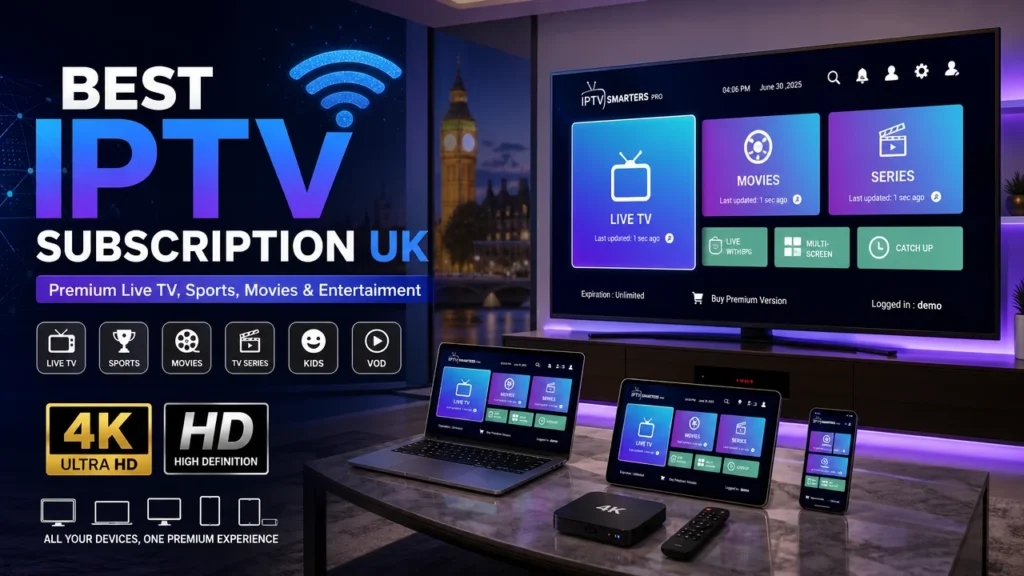
You've probably heard the term what is iptv tv floating around in conversations about cord-cutting and streaming, but the actual definition remains fuzzy for many. Simply put, IPTV stands for Internet Protocol Television — it's a system where television services are delivered over an internet connection rather than through traditional terrestrial, satellite, or cable formats. This isn't just another buzzword; it represents a fundamental shift in how millions of people consume television content worldwide.
Instead of broadcasting content to everyone simultaneously (like traditional TV), IPTV sends programs only when you request them. Think of it as the difference between a public water fountain and a tap in your kitchen — one flows constantly whether you want it or not, the other delivers exactly what you need when you turn the handle. In this complete guide, we'll explore exactly how IPTV works, its practical benefits and drawbacks, how it compares to cable, and everything you need to know to decide if it's right for you.
[INSERT midCTA here]LIMITED TIME AVAILABILITY
Unlock Full what is iptv tv Access
Unlock complete high-definition information and priority access packs. Lock in your pricing model today before plans return to standard regional metrics.
What Is IPTV TV Exactly?
Let's get the definition crystal clear. What is iptv tv in technical terms? IPTV delivers television programming and other video content through Internet Protocol (IP) networks. This is the same technology that powers your web browsing and email — information is broken into data packets, transmitted over a network, and reassembled on your device. The key distinction is that IPTV manages this process in a way that ensures smooth, high-quality video delivery with the reliability of traditional broadcast television.
IPTV is not the same as watching videos on YouTube or streaming Netflix. While those services use the public internet to deliver content on a best-effort basis, IPTV typically operates on managed, private networks that can guarantee quality of service. This means fewer buffering issues, higher reliability, and a television-like experience that feels more like flipping through channels than browsing a video library.
There are three main types of IPTV services: live television (broadcasting programs in real-time), time-shifted media (catch-up TV that lets you watch shows you missed), and video on demand (VOD) which gives you access to a library of content you can watch anytime. Most modern IPTV providers offer all three, creating a comprehensive television experience that traditional cable struggles to match.
How Does IPTV Work? Step by Step
Understanding how does iptv work demystifies the technology and helps you make better decisions about your own setup. Unlike traditional broadcast TV that sends one signal to everyone, IPTV sends individual streams to each viewer on demand. Here's the process broken down:
Step 1: Content Acquisition and Encoding
Content providers acquire video from various sources — live satellite feeds, pre-recorded programming, or on-demand libraries. This raw video is then compressed and encoded into digital format. This encoding step is crucial because it dramatically reduces file sizes while maintaining video quality. IPTV services typically use codecs like H.264 or the more efficient H.265 (HEVC) to deliver high-definition and 4K content without consuming excessive bandwidth.
Step 2: Secure Storage and Management
Once encoded, content is stored on powerful servers. Live television feeds are held in a buffer only long enough for processing, while video-on-demand content resides on large storage arrays. Middleware — the software brain of the IPTV system — manages user accounts, channel lineups, electronic program guides (EPG), and authentication. When you request a channel, middleware tells the system who you are, what you're allowed to watch, and where to find it.
Step 3: Delivery Over IP Networks
The actual delivery happens through a content delivery network (CDN) or a private IP network. Your IPTV provider sends data packets from their servers to your device using protocols like IGMP for live TV (which allows efficient multicast delivery) or RTSP for on-demand content. A stable internet connection with sufficient speed is essential — typically 25 Mbps or higher for HD content and 50 Mbps or more for 4K streams.
Step 4: Decoding and Playback on Your Device
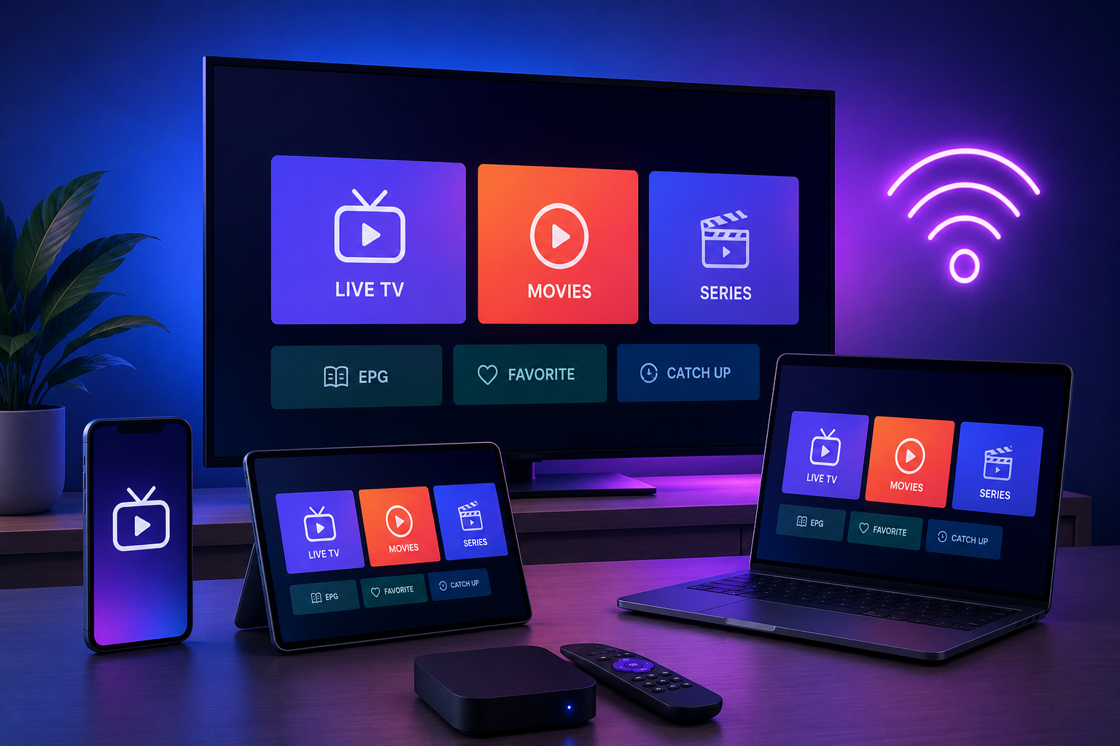
Your device — whether a smart TV, Amazon FireStick, Android box, or smartphone — receives these data packets and reassembles them into video. A set-top box or IPTV app handles this decoding process. The image above shows how a typical smart TV interface displays the channel guide and playback controls. The device must support the same codec the provider uses, which is why compatibility matters when choosing a service.
[INSERT secondCTA here]Secure special promotional rates instantly before the window closes.
Activate Your what is iptv tv Subscription Now →Concrete Benefits of IPTV for Real Users
Why are millions of people switching to IPTV? The advantages are tangible and relate directly to real-world viewing habits. Here are the most compelling benefits:
Massive channel selection: IPTV providers often offer thousands of channels from around the world. A typical iptv channels list usa might include every major US network plus international options from Europe, Asia, Latin America, and the Middle East — something no traditional cable package can match at a comparable price point.
Cost savings: Monthly subscription fees for IPTV services typically range from $10 to $30, compared to $100 or more for standard cable packages. Even bundled internet-plus-TV packages from major providers rarely match the cost efficiency of IPTV.
Multi-device flexibility: Watch on your smart TV, laptop, tablet, or phone — even simultaneously on multiple devices with many providers. This is particularly valuable for households where family members want to watch different content at the same time.
On-demand library integration: Most IPTV services include extensive VOD libraries with movies, TV series, and documentaries available whenever you want them, not just when they're scheduled to air.
No long-term contracts: Unlike cable companies that often lock you in for 12 or 24 months, IPTV services typically operate on monthly subscriptions with no commitment. You can cancel anytime — no termination fees, no equipment return hassles.
PROS
- Significantly lower monthly cost than cable
- Thousands of channels from every country
- Watch on any device with internet access
- No contracts or cancellation fees
- VOD libraries with recent releases
- Catch-up TV for missed programmes
CONS
- Requires stable, fast internet connection
- Potential legal gray areas with some providers
- Service reliability varies widely
- May require technical setup knowledge
- Customer support quality inconsistent
- Regional content restrictions possible
Honest Limitations You Should Know
No technology is perfect, and what is iptv tv comes with legitimate drawbacks that any honest guide should address. Internet dependency tops the list — if your connection goes down, so does your television. This is a non-issue for most people today, but those in rural or underserved areas with unreliable internet may find IPTV frustrating.
Legal ambiguity is another concern. While IPTV technology itself is perfectly legal, many services operate in gray areas regarding content licensing. Some providers stream channels without proper rights agreements. Checking if your provider appears in iptv review reddit discussions can offer community insights, but ultimately you should research whether your chosen provider has proper licensing agreements in place.
Quality variability is a real issue. Unlike cable where every channel meets broadcast standards, IPTV quality depends on the provider's infrastructure, the specific channel, and your internet speed at any given moment. Some channels may buffer during peak hours, and not every provider offers consistent HD or 4K quality across their entire lineup. This is why reading current reviews and testing trial periods is essential before committing.
IPTV vs Cable TV: A Practical Comparison
To help you visualize the differences clearly, here's a direct comparison table. This covers the most important factors that real users consider when deciding between iptv vs cable tv:
| Feature | IPTV | Cable TV |
|---|---|---|
| Monthly Cost | $10 - $30 | $80 - $200 |
| Channel Count | 1,000 - 20,000+ | 100 - 300 |
| Contract Required | No | Usually 12-24 months |
| Device Support | Smart TV, phone, tablet, PC, FireStick | Set-top box only |
| Video Quality | SD to 4K (varies by provider) | HD to 4K (consistent) |
| Internet Required | Yes, 25+ Mbps recommended | No |
| International Channels | Extensive | Limited add-on packages |
| Reliability | Variable | High |
Who Is IPTV For? Real User Profiles
IPTV isn't for everyone, but it's an excellent fit for several distinct user groups. Understanding where you fit helps determine if switching makes sense for your situation.
The international viewer: If you're an expat, immigrant, or simply love global content, IPTV's thousands of international channels are a game-changer. Get news from your home country, watch sports leagues not available locally, and access programming in your native language — all without expensive international cable packages.
The sports enthusiast: Live sports are a primary reason many people keep cable. IPTV offers access to multiple sports packages including NFL, NBA, Premier League, UFC, and international competitions at a fraction of the cost. Many providers also offer multi-angle viewing and replay features for major events.
The cord-cutter on a budget: If you're tired of paying $150+ monthly for television you barely watch, IPTV provides a compelling alternative. You can maintain access to the channels you genuinely love while cutting your entertainment budget by 70-80%.
The tech-savvy streamer: For those who already use streaming services and want to consolidate everything into one interface, IPTV integrates neatly. Many users combine a best iptv service for firestick with their existing Netflix, Prime Video, and Disney+ subscriptions for a complete viewing hub.
How to Get Started with IPTV: Practical Steps
Ready to try IPTV? Here's a straightforward, numbered guide that covers everything you need to do — from choosing your provider to watching your first channel. This process applies whether you're looking for how to set up iptv on smart tv, a FireStick, or any other device.
- Check your internet connection: Run a speed test. You need at least 25 Mbps for reliable HD streaming and 50 Mbps for 4K. Also verify your data cap — IPTV can use 1-2 GB per hour of HD streaming.
- Choose a device: The most popular options are Amazon FireStick, Android TV boxes, smart TVs with IPTV app support, or even your laptop or phone. For FireStick users, the best iptv service for firestick will offer dedicated app compatibility with easy sideloading instructions.
- Research legal iptv providers: Look for services that clearly state their licensing status. Reputable legal iptv providers are transparent about their content sources, offer customer support, and have positive reviews across multiple platforms including Reddit and independent review sites.
- Check the channel lineup: Before subscribing, verify that the provider's iptv channels list usa includes the specific networks you watch most — whether that's ESPN for sports, CNN for news, or HBO for entertainment.
- Take advantage of free trials: Legitimate providers offer 24-hour to 7-day trial periods. Test the service during your peak viewing times to evaluate buffering, channel availability, and overall quality. This is where iptv review reddit threads become invaluable — real users share honest trial experiences.
- Decide where to buy iptv subscription: Purchase directly from the provider's official website. Avoid third-party resellers on eBay or Facebook Marketplace who may sell non-functional or stolen subscriptions. Always use payment methods with buyer protection.
- Install the app and configure: Download the provider's recommended app (IPTV Smarters, TiviMate, or similar) and enter the URL, username, and password provided after purchase. Many providers offer M3U playlist URLs or Xtream Codes API for easy setup.
- Set up the electronic program guide: Most quality IPTV services include an EPG that shows what's playing now and upcoming. Configure this in your app to get a true TV-like experience with program descriptions and scheduling.
- Test everything during the first week: Watch your favorite channels, try the VOD library, test catch-up features, and try using the service on multiple devices. Report any issues to your provider's support team immediately during the trial or early subscription period.
Final Subscription Window:
Get Access Now Today →Affiliate Disclosure: Clicking this secure link verified by our network supports our team through standard partnership terms at zero extra cost to your invoice.
Frequently Asked Questions
Is IPTV legal in the United States?
IPTV technology itself is completely legal in the United States. The legal question depends entirely on the content being streamed and whether the provider has proper licensing agreements. Services like Hulu + Live TV and YouTube TV use IPTV technology legitimately. However, unlicensed providers that stream copyrighted content without permission operate in a legal gray area. To stay safe, choose established providers with transparent business practices and proper licensing. Always check the provider's terms of service and look for legitimate business registration information before subscribing.
What internet speed do I need for IPTV?
For standard definition content, you need at least 10 Mbps. High definition streaming requires 25 Mbps minimum, and 4K content demands 50 Mbps or higher. These speeds should be dedicated to your streaming device — if other household members are gaming, video conferencing, or streaming simultaneously, you'll need additional bandwidth. Wired Ethernet connections are more stable than Wi-Fi for IPTV, especially for 4K content. A wired connection eliminates interference and provides consistent speeds that prevent buffering during live events.